

Rash Guards & Sun Shirts
Rash Guards and Sun Shirts: UPF 50+ on Duty
The sun is undefeated. Stay in the fight anyway. Vissla mens rash guards and UPF 50+ sun shirts are lightweight, quick-dry, and made to be worn wet for hours, keeping you covered from the parking lot to the last wave of the session. Long sleeve, short sleeve, hooded and fitted surf shirt cuts, every one built to move with a paddle stroke instead of against it.
Wear one on its own in warm water, under a spring suit to stop chafe, or over boardshorts on a long summer session. Groms need cover too, and youth sun shirts and rash guards live here. When the wind turns, add a wetsuit jacket.


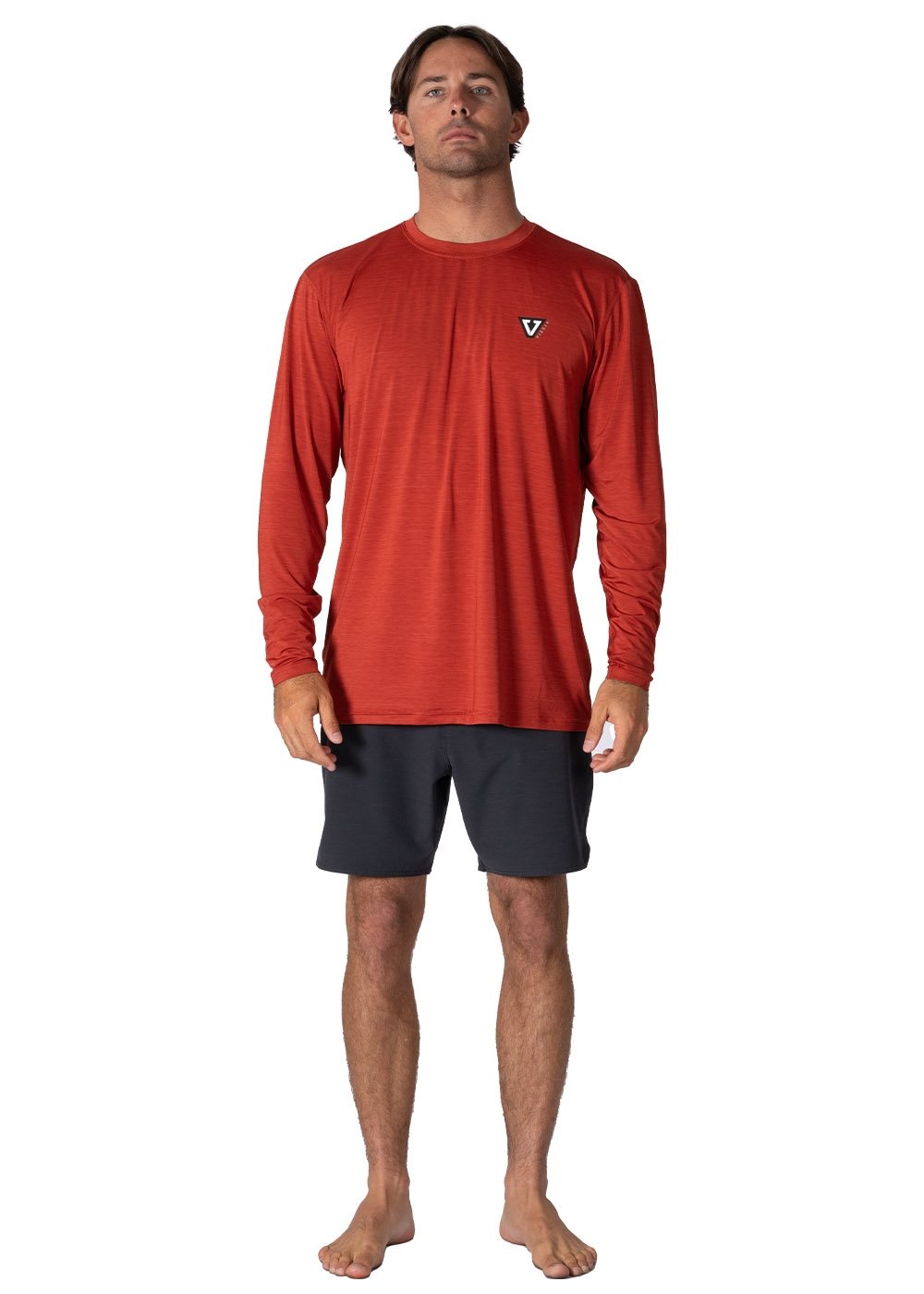
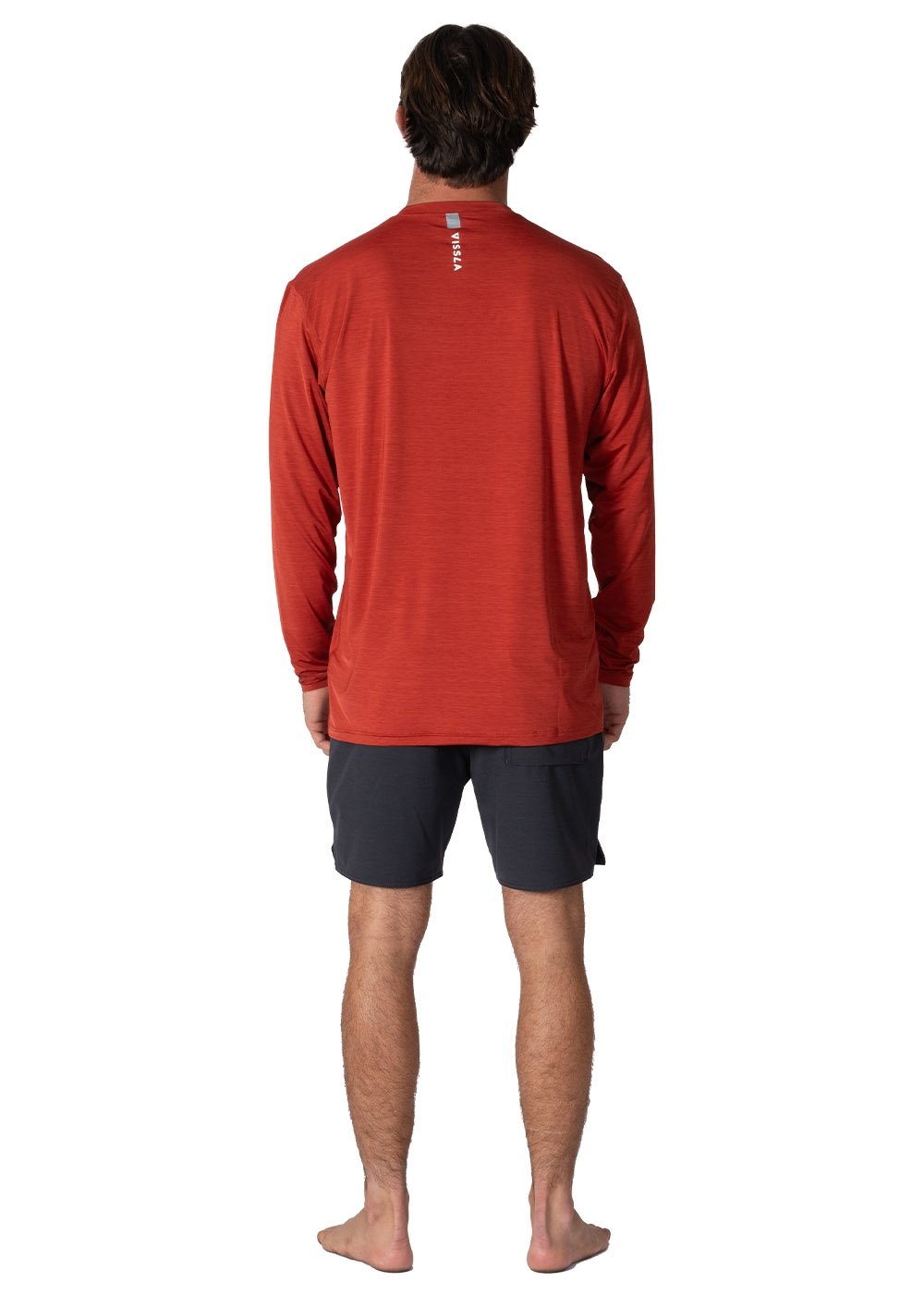


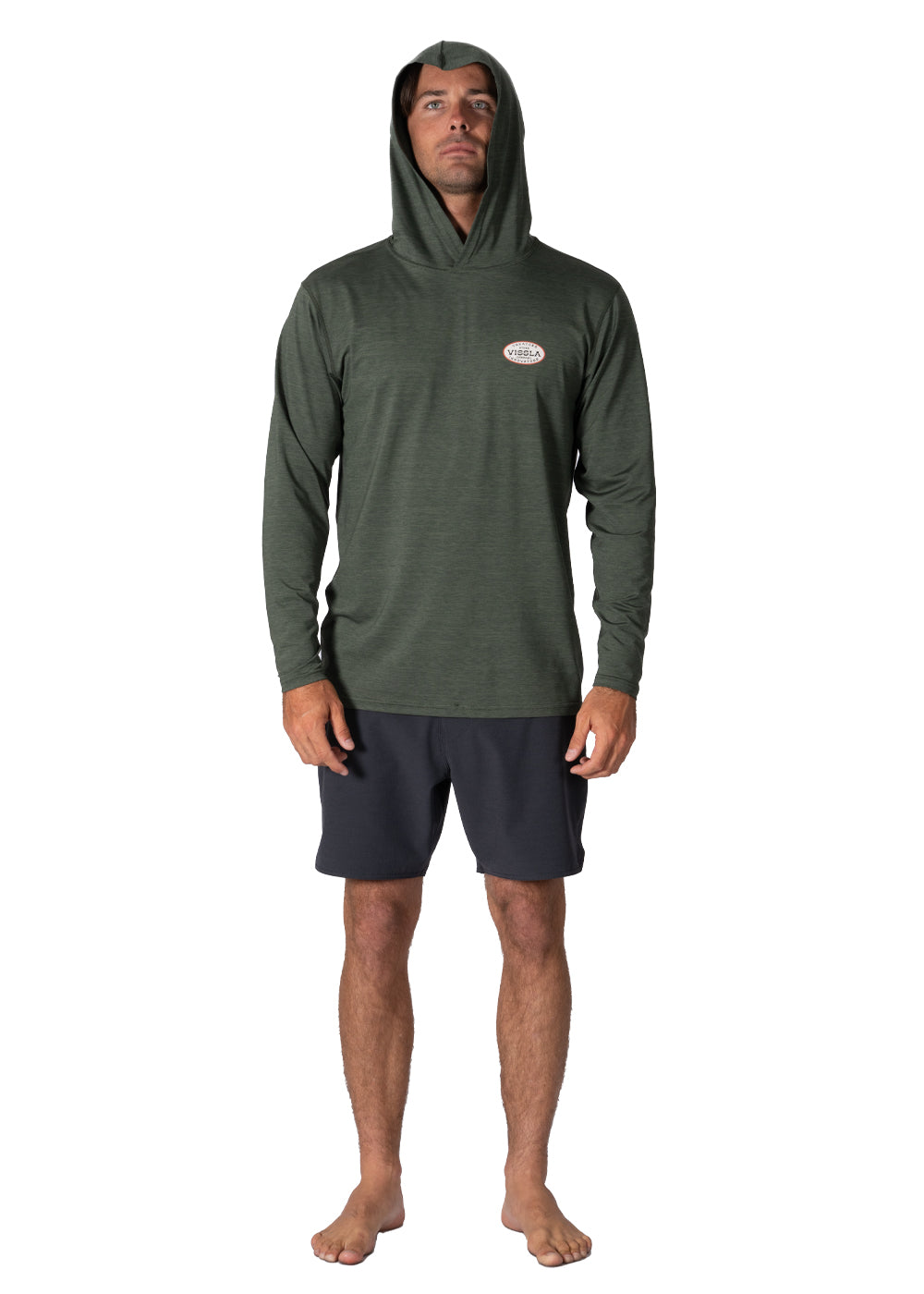
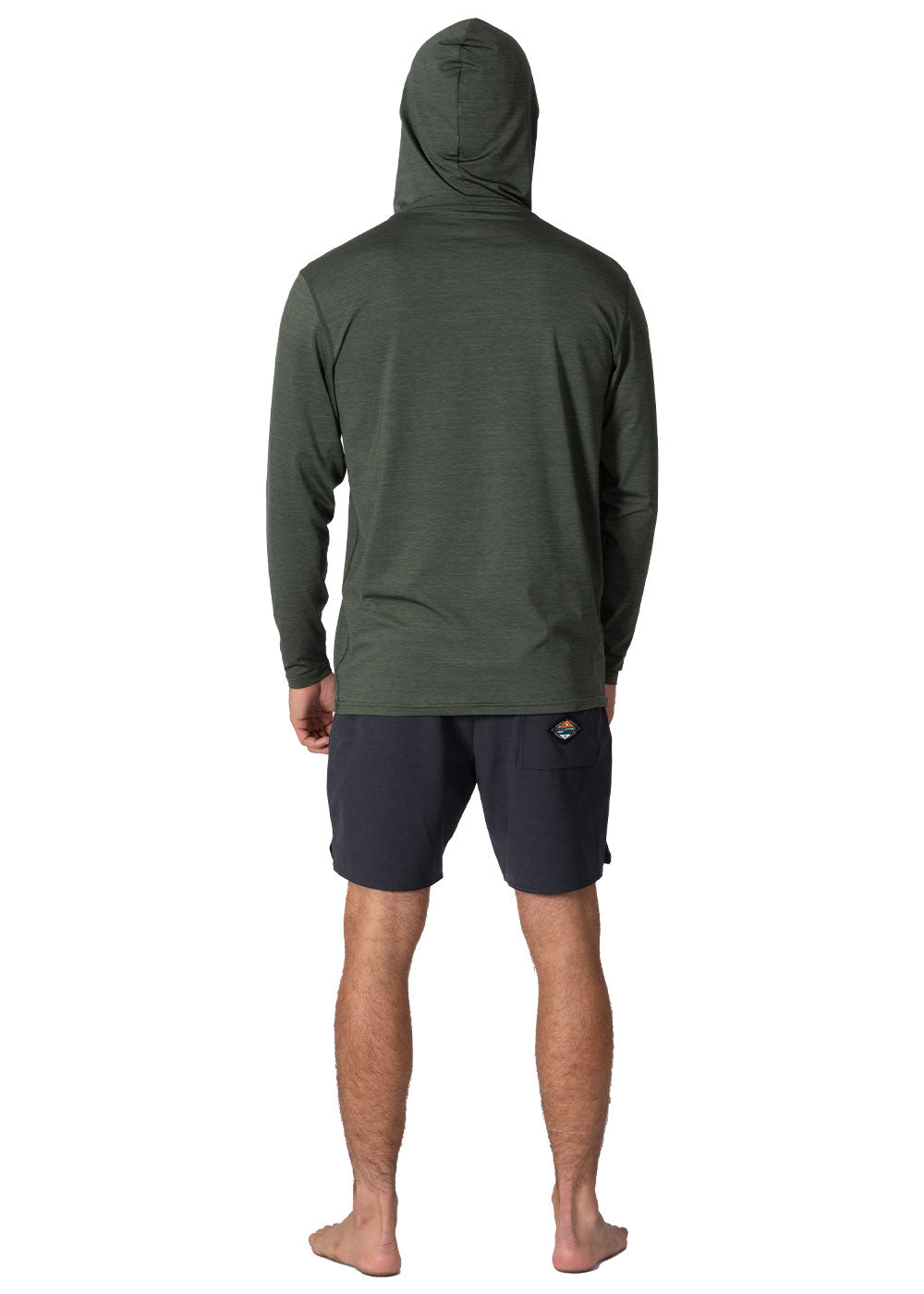


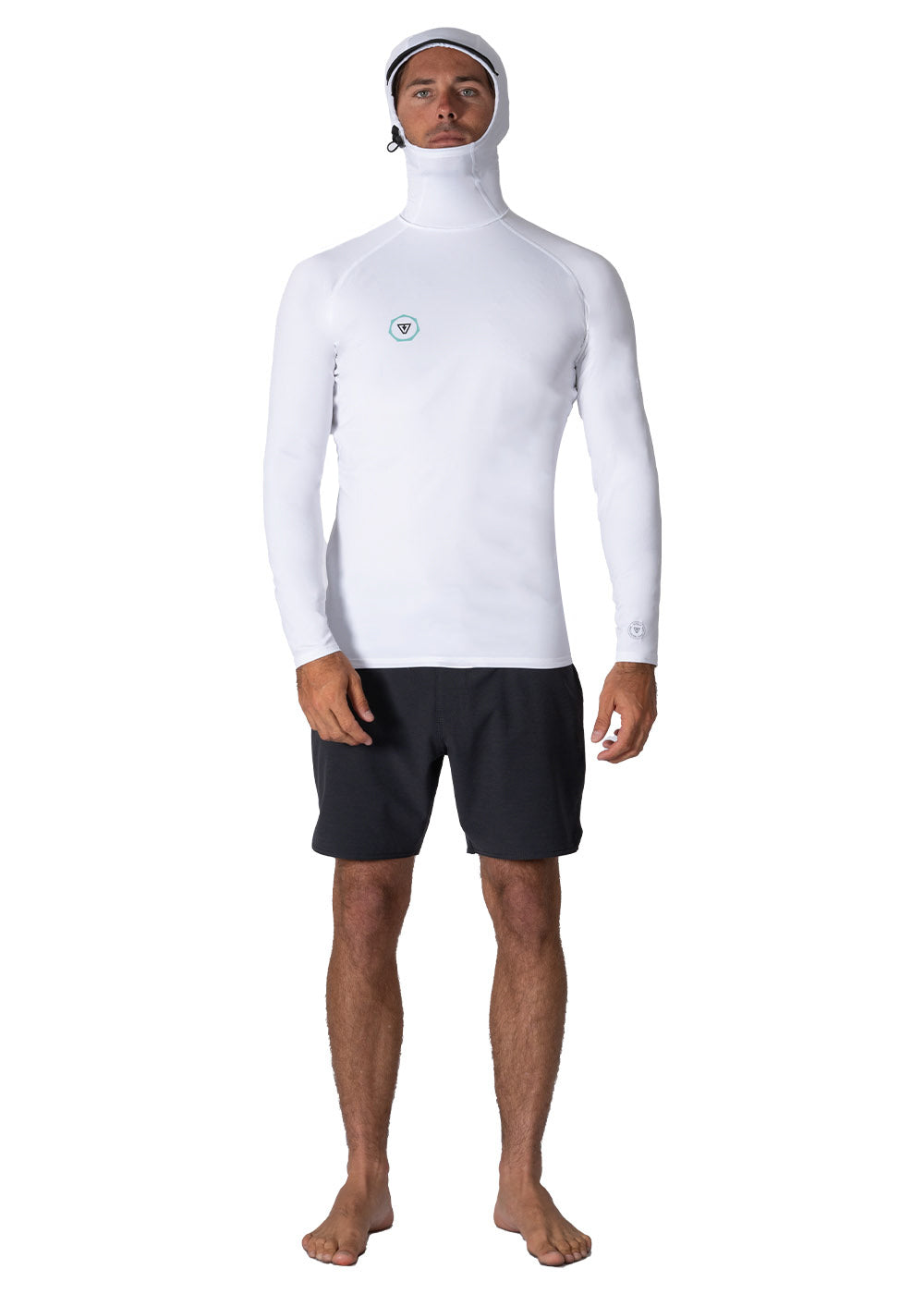
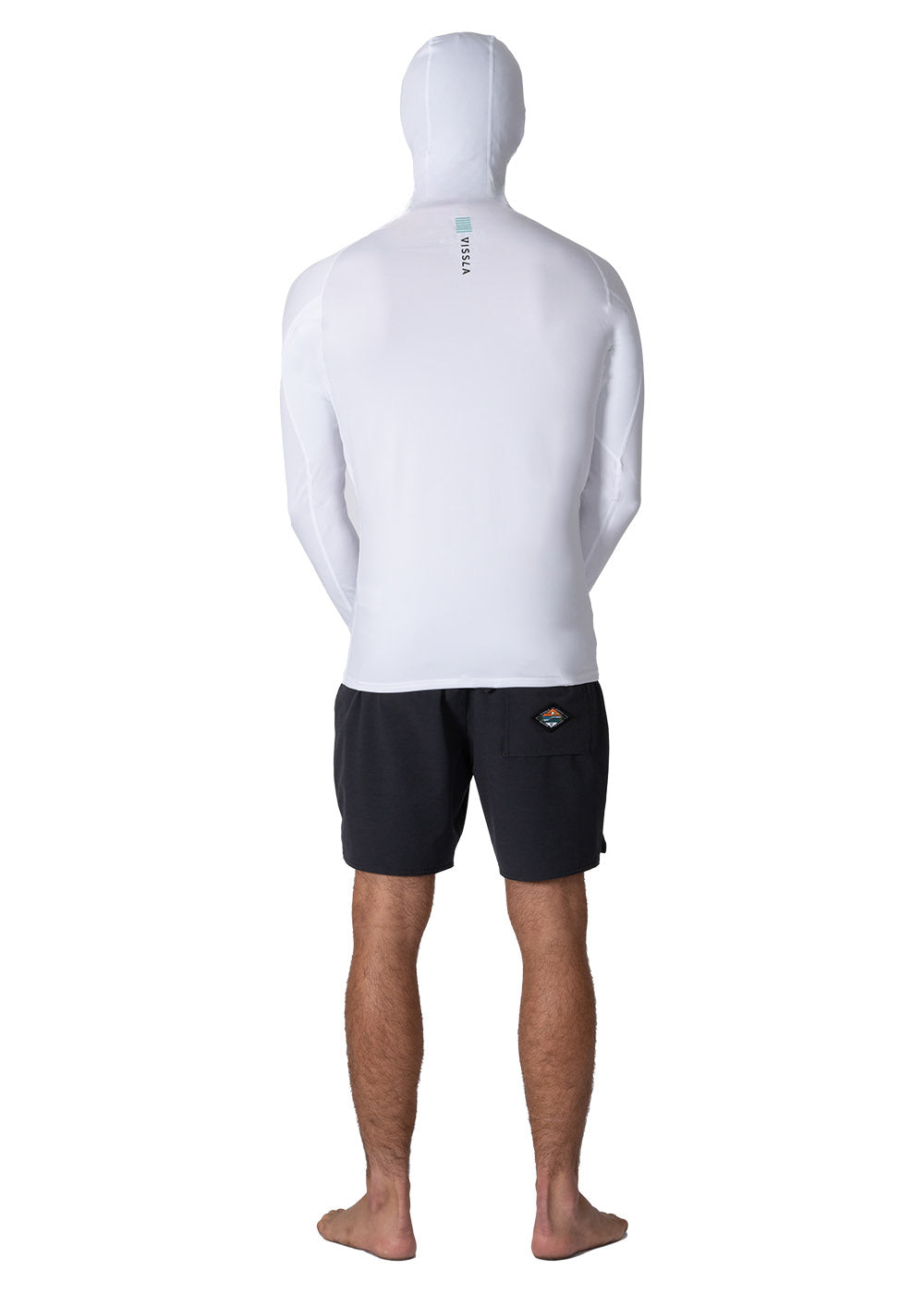


Vissla Mens Rash Guards and Sun Shirts: UPF 50+ Surf Shirts Built to Live in the Water
A rash guard is the least glamorous and most used piece of surf equipment you own. It stops board rash, it stops sunburn, and it lets you stay out for a fourth hour without paying for it the next day. Vissla mens rash guards and sun shirts are built around UPF 50+ sun protection and quick-dry fabric, in long sleeve, short sleeve and hooded cuts, sized to be worn snug in the water without feeling like a tourniquet on the beach.
Rash Guard vs Sun Shirt vs Swim Shirt
Three names, three slightly different jobs, and most people use them interchangeably.
- Rash guard: fitted, stretchy, worn next to the skin. Named for its original job, preventing the rash you get from wax, a board deck, and a wetsuit collar. The close fit is the point, because loose fabric is what causes chafe in the first place.
- Sun shirt: the same UPF fabric in a looser, more breathable cut, made to be worn all day whether or not you get wet. Better for boat days, paddling, fishing and standing around at the beach.
- Swim shirt: a general retail term that covers both. If a shirt is UPF rated and made to be worn wet, it qualifies.
For surfing, choose the rash guard fit. For everything else in the sun, choose the sun shirt fit. Both protect the same amount, because the protection lives in the fabric.
Choosing a Sleeve Length
- Long sleeve: the default for surfing. Full arm and shoulder coverage, which is exactly where the sun hits you while you paddle. The right call for anything over an hour.
- Short sleeve: cooler and less restrictive for quick warm water sessions, and the better layer under a spring suit.
- Hooded long sleeve: adds neck, ear and scalp coverage, the three spots people forget and dermatologists do not. Worth it on tropical trips and long flat-water days.
How to Wear a Rash Guard
- On its own: warm water above roughly 70°F, paired with boardshorts.
- As a base layer: under a spring suit or full suit to stop neck and underarm chafe on longer sessions.
- Under a wetsuit jacket: add a wetsuit jacket or vest over the top when the wind picks up and the water has not caught up yet.
- Out of the water: a sun shirt cut works as a normal shirt on a boat, a hike or a beach day, which is most of what it will actually do.
Why UPF 50+ Matters More Than Sunscreen
Sunscreen washes off, sweats off and gets missed. UPF 50+ fabric blocks at least 98 percent of UV radiation and keeps blocking it for the whole session, wet or dry, with no reapplication and nothing rinsing into the water you are sitting in. Cover the torso and arms with fabric and you only have to think about your face, hands and feet.
Sizing and Care
- Fit: a rash guard should be snug with no loose fabric at the armpit or lower back. It will feel slightly tight dry and correct once wet. Check the Size Guide before ordering.
- Care: rinse in fresh water after every session, hang dry in the shade. Heat and chlorine are what kill the stretch, not saltwater.
Pair yours with mens boardshorts, layer up with spring suits, or step into full rubber with the Vissla Wetsuit Guide. Groms are covered in youth sun shirts and rash guards.


